

Natural Healing Clinic

Clinical Hypnotherapy and Hypnosis Vancouver & Richmond

No Medications –  No Drugs

Hypnotherapy and Hypnosis in Vancouver-natural-healing-clinic-logo

Professional Hypnotherapy & Counselling in Vancouver and Richmond.

Impact of sleep deprivation on the brain

Impact of sleep deprivation on the brain

Impact of Sleep Deprivation on the Brain

Impact of sleep deprivation on the brainImpact of Sleep Deprivation on the Brain: We live in a society that is highly sleep-deprived, averaging 1–2 hours less sleep than people did in the 1950s. A recent study by Rand Europe, a research firm, revealed that sleep deprivation costs the UK £40 billion each year because of lost work productivity. Sleep is essential for both our minds and bodies. Far from being a passive process, sleep is an active period when the brain consolidates memories, restores the body, repairs tissues, and synthesizes hormones. It plays a significant role in brain function and development.

Sleep and the Brain:

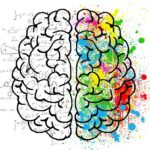
Sleep is vital for brain function and development. During sleep, the brain forms new cells and constructs new neural pathways, while reorganizing existing networks. This ability, known as neuroplasticity, becomes especially active when we are relaxed and asleep. Functional Magnetic Resonance Imaging (fMRI) scans show that our brains continually change and form new connections—even the brain you go to bed with is different from the one you wake up with.

Impact of Sleep Deprivation on the Brain

Neuroplasticity makes the brain resilient and enables all new learning, such as playing an instrument or learning a language. It is essential for consolidating memories and enhancing problem-solving and creativity. In fact, a good night’s sleep can boost creativity threefold. This explains why ‘aha moments’ and creative ideas often emerge after sleep.

Consequences of Sleep Loss

The prefrontal cortex, which is responsible for executive functions like planning, problem-solving, and reasoning, can recover only during deep sleep. When we lack sleep, our ability to make quick decisions, perform well in emergencies, or handle challenging negotiations declines. A recent survey among junior doctors found that one in four felt sleep-deprived due to demanding work schedules, increasing the risk to patient safety.

The consequences of sleep deprivation are profound. Lack of sleep contributed to several international disasters, including Chornobyl, Three Mile Island, and the Challenger shuttle explosion. Sleep loss also creates a public safety hazard on roads every day, as drowsiness impairs reaction time as much as alcohol does.

Impact of Sleep Deprivation on the Brain

Sleep loss affects not only cognitive processes but also mental and emotional health. Studies have shown that people with chronic insomnia have much higher rates of depression.

Other research into sleep disruption in people with schizophrenia has shown that mental illness and sleep disruption share overlapping brain pathways. Scientists found that stabilizing sleep in people with schizophrenia reduced the number of psychotic episodes by 50%. This finding highlights the importance of sleep in mental illness and shows how sleep pathways in the brain offer valuable therapeutic targets.

There is still much to learn about what happens in the brain during sleep, as this dynamic state directly influences our waking hours. The negative impact of sleep loss on cognitive and emotional well-being underscores the importance of good-quality sleep.

Impact of Sleep Deprivation on the Brain

Ready to improve your sleep and boost your well-being? Book a hypnotherapy session today and discover how guided relaxation can help you overcome sleep challenges and restore your mind and body. Take the first step – contact us now to schedule your appointment and experience the benefits of better sleep!

To Book A Session
Call 604 202 7938

Scroll to Top